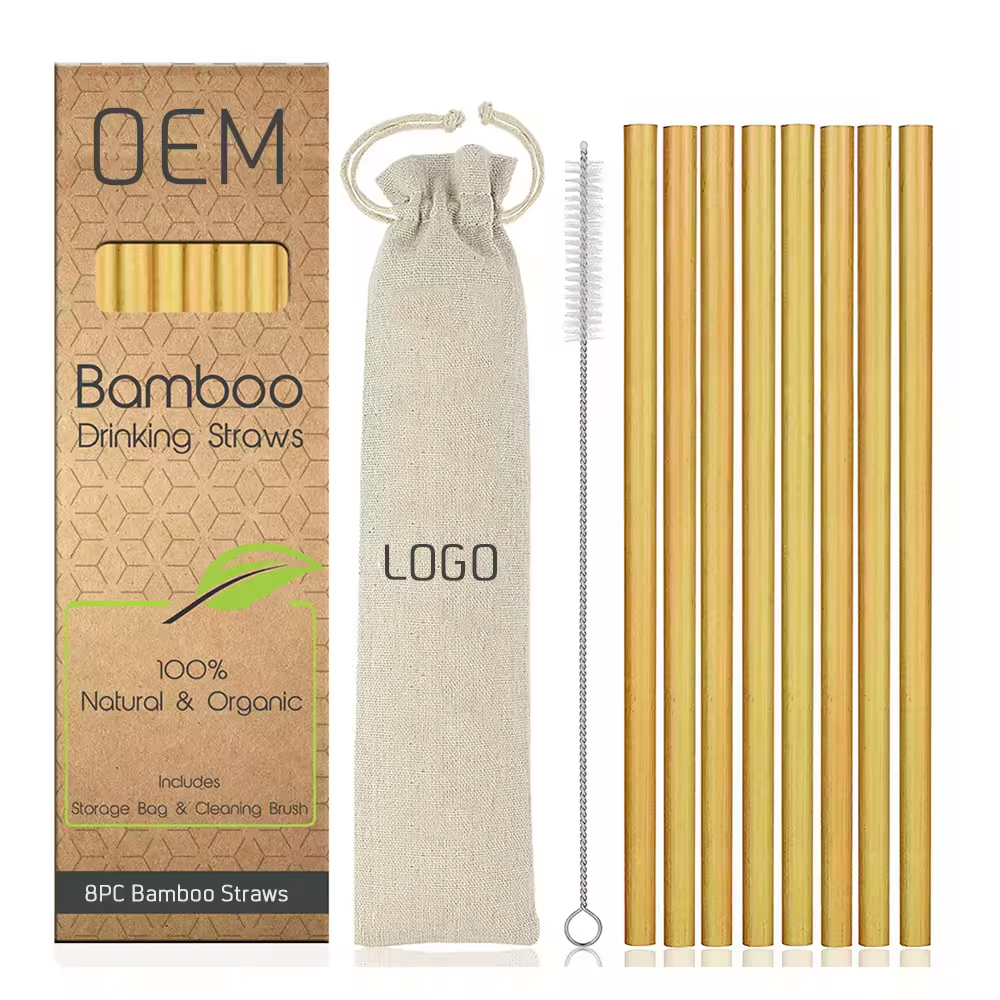
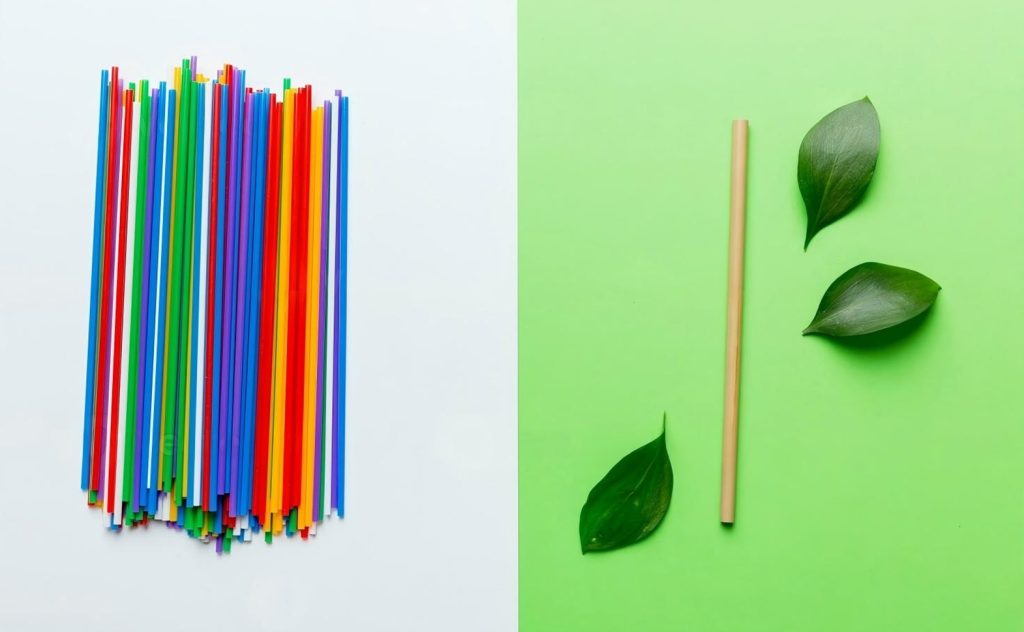
As global awareness of environmental protection continues to grow, plastic straws are gradually being phased out in many countries. Restaurants, cafés, hotels, and distributors are actively searching for sustainable alternatives. Among the available options, bamboo straws have emerged as one of the most practical and eco-friendly solutions.
This article explores the key differences between bamboo straws and plastic straws, and explains why bamboo is becoming the future of drinking straws.
1. Environmental Impact
Plastic straws are made from petroleum-based materials and can take hundreds of years to decompose. Every year, billions of plastic straws end up in landfills and oceans, contributing to severe marine pollution and harming wildlife.
Bamboo straws, on the other hand, are made from natural bamboo, one of the fastest-growing renewable resources in the world. Bamboo grows without the need for chemical fertilizers and absorbs more carbon dioxide than many traditional plants. After use, bamboo straws can biodegrade naturally, leaving no long-term environmental footprint.
2. Sustainability and Renewability
Plastic relies on finite fossil fuels, making it unsustainable in the long term. Even recyclable plastic straws often fail to be properly recycled due to their small size.
Bamboo can be harvested within 3–5 years, making it a highly renewable material. When sourced responsibly, bamboo straws support sustainable forestry practices and align with global ESG and environmental policies.
3. Safety and Health
Plastic straws may release microplastics and harmful chemicals, especially when used with hot beverages or acidic drinks.
High-quality bamboo straws are food-safe, chemical-free, and naturally antibacterial when properly processed. They are suitable for both cold and warm beverages, making them a safer choice for consumers.
4. Reusability and Durability
Plastic straws are usually designed for single use, which leads to excessive waste.
Bamboo straws are reusable and durable when cleaned and maintained correctly. With proper care, they can be used repeatedly for weeks or even months, significantly reducing waste generation.
“We called Imagine Clany Eco when another company cancelled on us last minute for our move-out cleaning. Clany Eco was able to book us and make it out in 2 hours and did an amazing job. We even got our deposit back.”
5. Consumer Perception and Brand Image
Today’s consumers increasingly prefer brands that demonstrate environmental responsibility. Continuing to use plastic straws can negatively impact brand image, especially in regions with plastic reduction regulations.
Bamboo straws send a strong message of sustainability, natural living, and environmental commitment. For cafés, hotels, and beverage brands, switching to bamboo straws enhances brand reputation and aligns with eco-conscious customers.
6. Cost Considerations
Plastic straws may appear cheaper at first glance, but environmental taxes, plastic bans, and waste management costs are making plastic less economical.
Bamboo straws offer long-term value, especially for businesses purchasing in bulk or for reuse. As global demand grows, bamboo straws are becoming increasingly cost-competitive.
Conclusion: Why Bamboo Is the Future
When comparing bamboo straws vs plastic straws, bamboo clearly stands out in terms of environmental impact, sustainability, safety, and brand value. As governments tighten regulations on plastic use and consumers demand greener alternatives, bamboo straws are no longer a niche product—they are the future.
For businesses looking to reduce their environmental footprint while enhancing brand image, bamboo straws are a smart, responsible choice.