



An integrated overview of China’s moso bamboo resources, material structure, environmental value, and global industry applications
Green & Low-Carbon
Key Advantages of Moso Bamboo Materials
Customization Flexibility
Highly adaptable processing enables tailored solutions across multiple applications.
Renewable Resource
Naturally regenerates after harvesting, supporting long-term sustainability.
Stable Supply
Abundant resources ensure consistent, large-scale raw material availability.
Manufacturing Quality
Standardized production ensures reliable quality and performance.
Whole Bamboo, Full Value
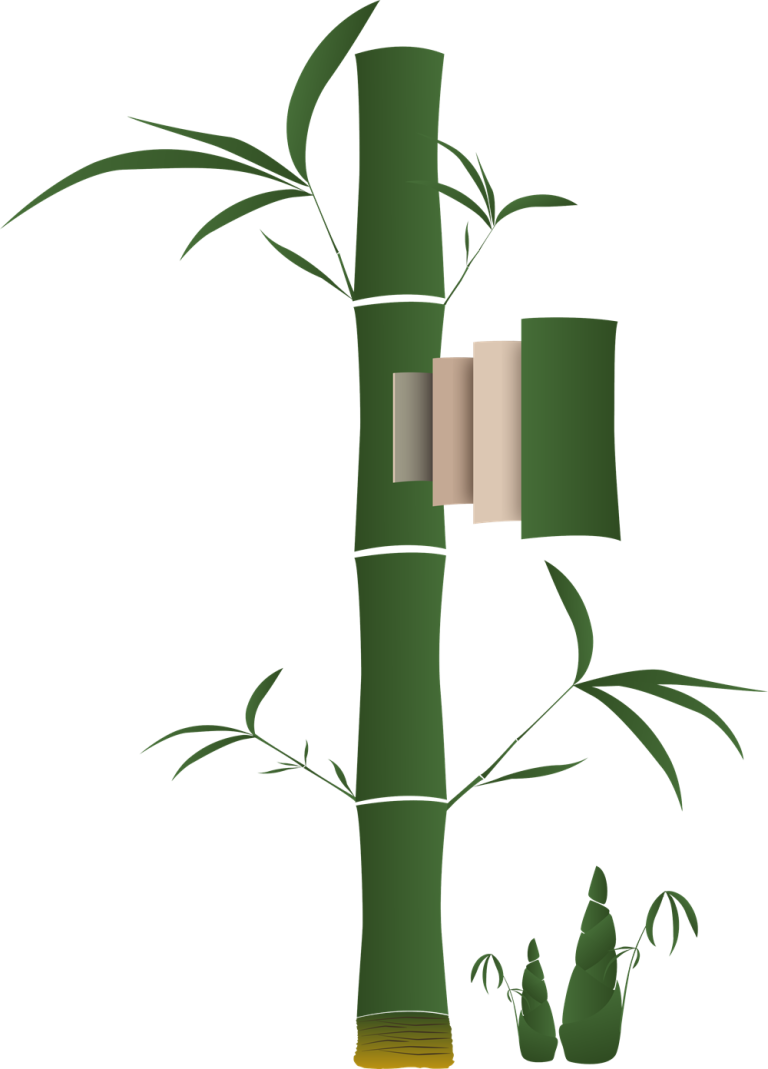
Integrated Bamboo Utilization
Bamboo Branches
Bamboo branches are efficiently utilized as biomass resources and industrial raw materials. They can be processed into biofuel, charcoal, and paper additives, improving overall resource efficiency and reducing material waste.
Bamboo Culm – Outer Layer
Used for construction formwork, structural materials, flooring, furniture, and crafts.
Offers high strength, excellent durability, and serves as a sustainable alternative to wood.
Bamboo Culm – Middle Layer
Applied in woven products, packaging, cutlery, straws, and pallets.
Easy to process, high value-added, supporting plastic reduction and eco-friendly trends.
Bamboo Culm – Inner Layer
Used for bamboo fiber boards, pulp, fiber tableware, and biodegradable packaging.
Suitable for deep processing, scalable production, and sustainable materials.
Bamboo Leaves
Bamboo leaves contain natural functional compounds and are widely used in tea, extracts, animal nutrition, and organic fertilizers. Although used in smaller volumes, they deliver high added value across multiple industries.
Bamboo Roots
Bamboo roots and rhizomes are traditionally used for crafts, landscaping products, and carbon materials. They combine cultural value with modern environmental applications, extending the utilization of underground bamboo resources.
Bamboo Shoots
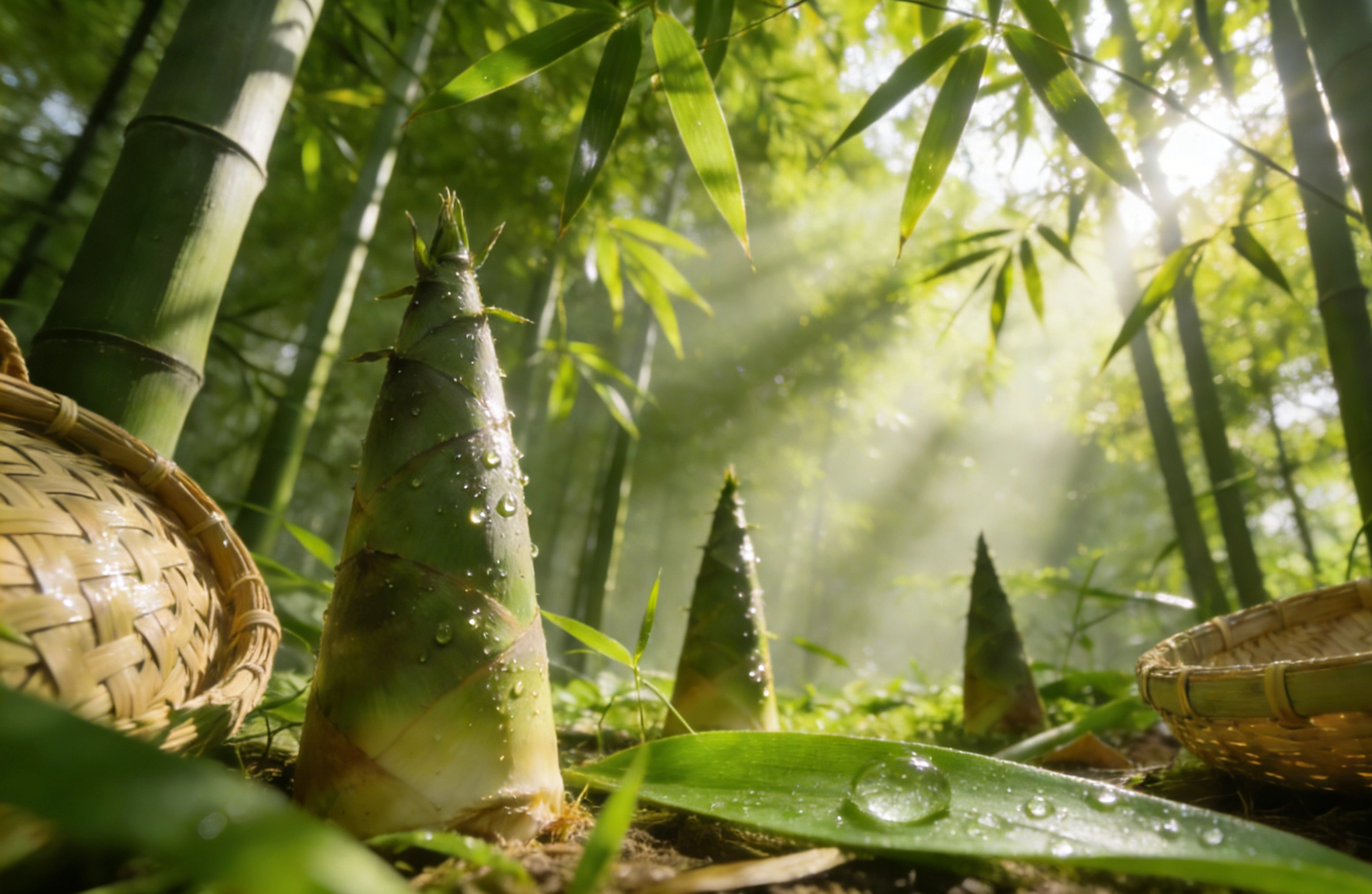
Bamboo shoots are the earliest harvest from a bamboo forest and are widely consumed as fresh food or processed into dried, ready-to-eat, and canned products. Their fast growth cycle and strong market demand make them an important source of early-stage value and stable agricultural income.
value
Environmental Value of Bamboo Products
- High Carbon Sequestration - Bamboo absorbs significant amounts of CO₂ during its growth cycle, contributing to carbon reduction.
- Short Regeneration Cycle - Compared with traditional timber, bamboo renews faster, improving resource efficiency.
- Sustainable Life Cycle - From cultivation to processing and recycling, bamboo supports a low-impact environmental footprint.
Bamboo China
Bamboo Resource Distribution in China
China holds the world’s largest Moso bamboo reserves, with major production regions including Anhui, Fujian, and Zhejiang.
These areas benefit from concentrated resources, established processing bases, and integrated industrial clusters.
Structure of China’s Bamboo Industry Chain
Cultivation → Primary Processing → Advanced Manufacturing → Application Industries → Domestic & Global Markets
A complete and scalable supply chain supports efficient production and international distribution.
Bamboo world
Global Bamboo Industry Landscape
Asia remains the primary production and processing hub, while demand for sustainable bamboo materials continues to grow in Europe and North America.
Bamboo products are increasingly integrated into global green material and low-carbon industry systems.